
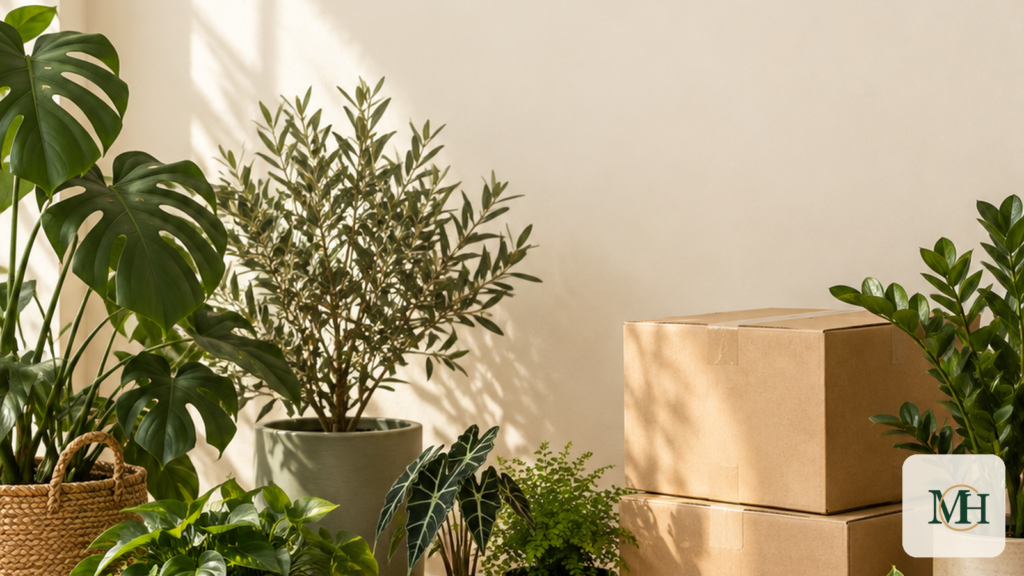
When I moved from Atlanta to California, I had more than 50 potted plants—some indoors and others outside. None of the moving companies I interviewed would transport them, so I distributed the collection among friends before leaving.
It was difficult to part with plants I had cared for over time, but the move also gave me an unexpected reset. Rebuilding a plant collection after moving should not mean trying to recreate the old collection automatically. The light, climate, available space and daily routines in a new home may be entirely different.
Now I want to begin with the place each plant needs to live. Before buying, I ask six practical questions: What light will it actually receive? Is it appropriate for the local climate? How large can it become? What water does it require? How does the site drain? What care will continue after planting?
The garden center is designed around possibility. A flowering plant looks like instant color; a small tree looks perfectly proportioned in its nursery pot; an herb promises dinner just a few steps from the kitchen. The difficult part is imagining that plant not at checkout, but in its destination six months—or several years—from now.
This is not a guarantee that every plant will thrive. Weather, soil, pests, disease and plain uncertainty are part of gardening. The checklist simply replaces an impulse decision with a more informed match.
I am not trying to replace 50 plants at once. I am using the new home as the starting point and rebuilding slowly, one suitable destination at a time.
Rebuilding a plant collection after moving starts with the destination
Before reading a tag, define the intended location. Is it a container on a balcony, a bed near a downspout, a windy entry or a room several feet from a window? Take a photo at the time of day when you normally notice the space. Note physical limits: available width, overhead clearance, nearby paths, doors, utilities and anything the plant should not obstruct.
Conditions can vary within one yard or room. A wall may reflect heat. A roofline can create a dry pocket. A neighboring tree can change the summer light. Indoors, “bright” to a person is not always bright enough for a plant. The goal is not a perfect site analysis; it is an honest description you can compare with credible guidance.
1. What light does this place actually receive?
“Full sun,” “part shade” and “bright indirect light” are useful categories, but they still need context. Observe the site across more than one moment if possible. Morning and afternoon exposure can differ, and deciduous trees may change the pattern by season.
Write down when direct light reaches the spot and roughly how long it remains. For indoor plants, note the window direction, distance from the glass and any obstruction. Then compare your observation with locally relevant care information. Avoid upgrading the answer because you love the plant. A plant chosen for the light you wish you had often becomes a recurring maintenance problem.
2. Is it appropriate for the local climate?
Atlanta and California do not offer one interchangeable set of growing conditions. Even within California, climate and water conditions vary substantially. A plant that performed well in a previous home may not suit the new location—or it may require a different placement and care routine.
Before buying, check guidance that applies to the actual region and the plant’s botanical name. The University of California’s plant-selection guidance recommends choosing plants suited to the area’s climate and water limitations. Confirm whether the plant is locally appropriate and whether trusted state or regional sources identify it as invasive. If pets or children are relevant, verify toxicity through an authoritative source rather than relying on a decorative label or social post.
3. How large will it be at maturity?
Nursery size is temporary. Look for credible estimates of mature height and spread, then consider the room around that footprint. Can people still use the path? Will branches reach siding, a roof, a gate or a utility area? Will roots or falling fruit create a conflict? Does an indoor plant have enough vertical and horizontal room without being constantly cut back?
Growth varies with variety and conditions, so treat dimensions as planning information, not precision. If the label lacks a cultivar name or mature size, ask the nursery for details or pause the purchase. For trees and large shrubs near buildings, utilities or boundaries, consult an appropriately qualified local professional before planting.
4. What water will it need—and does that match your routine?
Water needs include more than a label’s shorthand. Newly planted specimens may need different attention during establishment than they will later. Containers can dry differently from in-ground beds. Local heat, wind, rainfall, soil and watering restrictions matter.
Ask what attentive establishment looks like in your conditions and how you will know when to adjust. Then make the honest lifestyle check: Is this level of observation and watering realistic for you? Where will the water come from? If you travel, who will notice a problem?
A plant that matches the existing conditions usually creates less friction than one that requires a new, fragile routine. Do not rely on a universal watering schedule. Check the soil and the plant, and seek locally appropriate guidance.
5. Does the site drain as the plant needs?
“Well-drained” is common advice, but drainage is a property of the actual site and container. Look for water that lingers after rain or irrigation, runoff that rushes through, compacted soil, blocked container holes or a saucer that stays full. A low point near a structure deserves particular caution because the landscaping question may overlap with a building-drainage issue.
Do not assume adding gravel to a pot or digging a deeper hole automatically solves drainage. Solutions depend on the plant, soil, container and location. If water collects near a foundation, electrical equipment, septic component or unstable slope, get qualified site-specific advice rather than experimenting.
6. What ongoing care comes with it?
Picture the recurring work, not only planting day. Depending on the plant, that might include monitoring, feeding, repotting, staking, deadheading, seasonal protection, pruning or cleanup. Some plants drop fruit or leaves where that matters. Others spread more readily than expected. A plant can be beautiful and still be a poor match for the amount or type of care you want to provide.
Ask which tasks are essential, which are aesthetic and which should be performed by a professional. Pruning large trees, working at height and handling hazardous tools are not casual maintenance jobs. If the plant may be toxic to people or animals, verify details through a veterinarian, poison-control resource or other authoritative source appropriate to your situation.
Make one local check before buying
Plant suitability is local. A species welcomed in one region can be invasive in another; planting and transport may also be regulated. Common names are unreliable, so use the botanical name and cultivar when checking the California Invasive Plant Inventory or the corresponding official or expert regional resource where you live. A local extension service, government natural-resources agency, public garden or qualified nursery professional can also suggest alternatives.
“Native” is not a complete suitability test by itself. A native plant still needs conditions that match its range and site. Conversely, a plant that is not locally native is not automatically invasive. Use precise sources rather than labels that sound reassuring.
For households with pets, the ASPCA maintains a searchable toxic and non-toxic plant database. Its list is not exhaustive, so contact a veterinarian or animal poison-control service if exposure is suspected.
A two-minute note to take with you
Before leaving home, record:
- destination photo and approximate dimensions;
- observed light and exposure;
- container or in-ground location;
- drainage observations;
- water access and realistic care capacity;
- household considerations, including pets or children where relevant.
At the store, add the botanical name, cultivar, mature size and source of the care guidance. If one important answer is missing, leaving without the plant is a valid decision. A pause protects both the budget and the future garden.
The next useful step
Choose one empty or underperforming location. Observe it before shopping and write down the six answers you already know. The plant comes after the place.
Losing the ability to bring my existing collection was not how I expected to begin gardening in a new home. But it has given me permission to move slowly. The goal is not to replace a number; it is to choose plants that genuinely fit the life and home I have now.
You can also save the companion Instagram plant-buying checklist for your next nursery visit. If you are planning a larger outdoor change, begin by deciding what a neglected garden corner needs to do before buying plants for it.
Safety and professional caveat
This article provides general educational planning guidance, not horticultural, structural, electrical, medical or veterinary advice. Conditions and regulations vary. Do not dig until required utility-locating steps are complete. Use qualified local professionals for trees, work at height, irrigation or drainage near structures, suspected poisonous plants, and any situation beyond your training or safe access.

