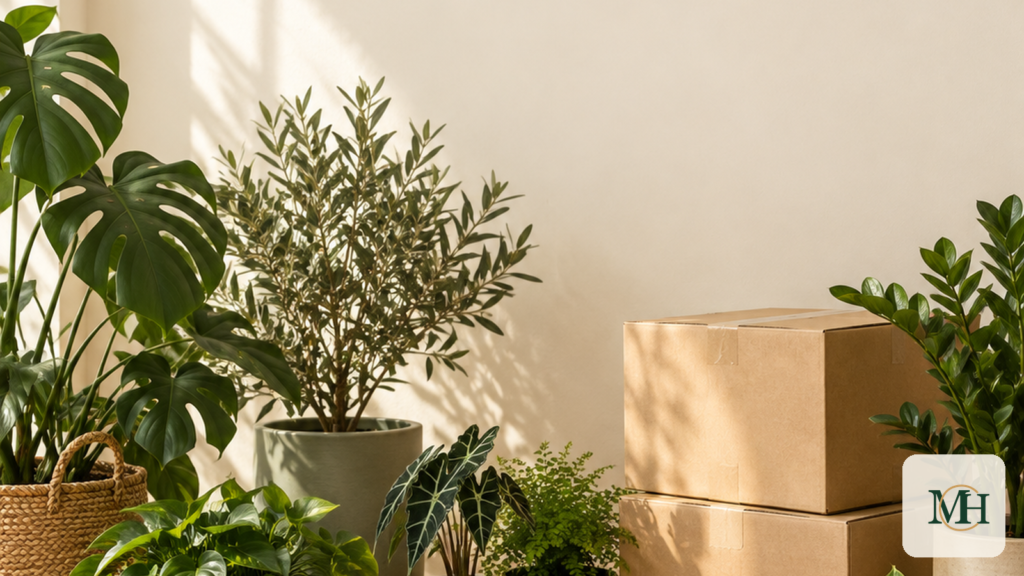
A neglected garden corner can become a place to sit, notice the seasons or simply give the yard a more settled edge. The change does not have to begin with a full landscape plan. Start by giving one small area a purpose and removing what gets in the way of it.
At our previous home, part of the front yard was occupied by two large trees. I had always felt that they hid much of the front of the house, but I never felt comfortable removing healthy, established trees simply to change the view. Then, after an extreme cold front, both trees died.
Their loss created a necessary project and an unexpected opportunity. We had the dead trees removed and the stumps ground, then turned the open area into a large flower bed. The flowers brought color to the front yard, revealed more of the house and made the entire frontage feel brighter and more welcoming.
The transformation did not begin with buying plants. It began with recognizing what had changed, dealing safely with the damaged trees and deciding what the newly open space should contribute to the home.
Large, dead or storm-damaged trees can be unstable and may involve utility, permit or property-line considerations. Tree removal and stump grinding should be assessed and performed by qualified, insured professionals where appropriate; check local requirements before work begins.
1. Give the neglected garden corner a purpose
Choose one primary use: a quiet seat, a view from a window, a place for herbs, a pollinator patch or a tidier transition between two parts of the yard. A small area becomes crowded quickly when it tries to do everything.
Notice how you reach it, when it receives sun and whether you can see it from inside. Also note drainage, irrigation, wind and nearby utilities before you dig or place anything permanent.
2. Clear and assess before buying
Remove litter, broken pots and portable items that belong elsewhere. Identify plants before removing them, and use appropriate protection for thorns, irritants or unknown material. Check for unstable edging, standing water and trip hazards.
Then step back. Often the first improvement comes from exposing the shape of the space rather than filling it.
3. Create a simple outline
Give the corner one legible boundary. That might be an existing fence line, a curved planting edge, a small gravel area or a single outdoor rug on a sound, suitable surface. Preserve access to gates, meters, drains and equipment.
Use fewer materials than you think you need. Repetition helps a small corner feel intentional.
4. Work with the conditions you have
Choose plants for the actual light, climate, soil, mature size and water available—not only for how they look at the garden center. Check local guidance before planting species that may be invasive in your area.
A simple arrangement is often enough:
- One taller plant or existing feature to anchor the view
- A repeated middle layer for shape and continuity
- A lower layer or mulch to cover soil and soften the edge
Leave room for mature growth and for routine access. Containers can be useful where soil is limited, but they may dry more quickly and still need suitable drainage.
5. Add one reason to linger
If the space allows, add one appropriately sized chair, bench or perch. Place it on a stable surface and keep the route clear. A view, a nearby fragrant plant or the sound of leaves can do more for the mood than several decorative accessories.
If seating does not fit, make the corner rewarding from indoors with one focal plant, a birdbath maintained safely or another simple point of interest.
6. Use lighting carefully
Outdoor lighting can make a path or threshold easier to understand, but more light is not always better. Use fixtures and components listed for the location, avoid glare and unnecessary spill, and follow manufacturer instructions. Use a qualified professional for new wiring or fixture work.
7. Plan the upkeep before you finish
Ask what the corner will need weekly, monthly and seasonally. Keep watering, pruning, leaf cleanup and furniture care realistic. A peaceful space that demands constant attention will not feel peaceful for long.
Try a short recurring reset: remove debris, check moisture, return one stray object and sit for a minute before deciding whether anything else is needed.
A one-weekend sequence
- Observe the corner’s light, water and access.
- Choose one purpose.
- Clear and identify what is already there.
- Define one simple boundary.
- Add plants or seating only after the plan is clear.
- Photograph the result and note the next maintenance date.
A neglected garden corner does not need a dramatic makeover—it needs a clear purpose and a realistic plan. It is a small outdoor place that makes sense, feels good to pass and remains manageable after the first weekend.
Save the original garden-reset post on Instagram for the next overlooked outdoor area you want to reclaim, and follow @modernhomecompanion for practical ways to maintain, organize and enjoy your home and garden.